

led floor mirror
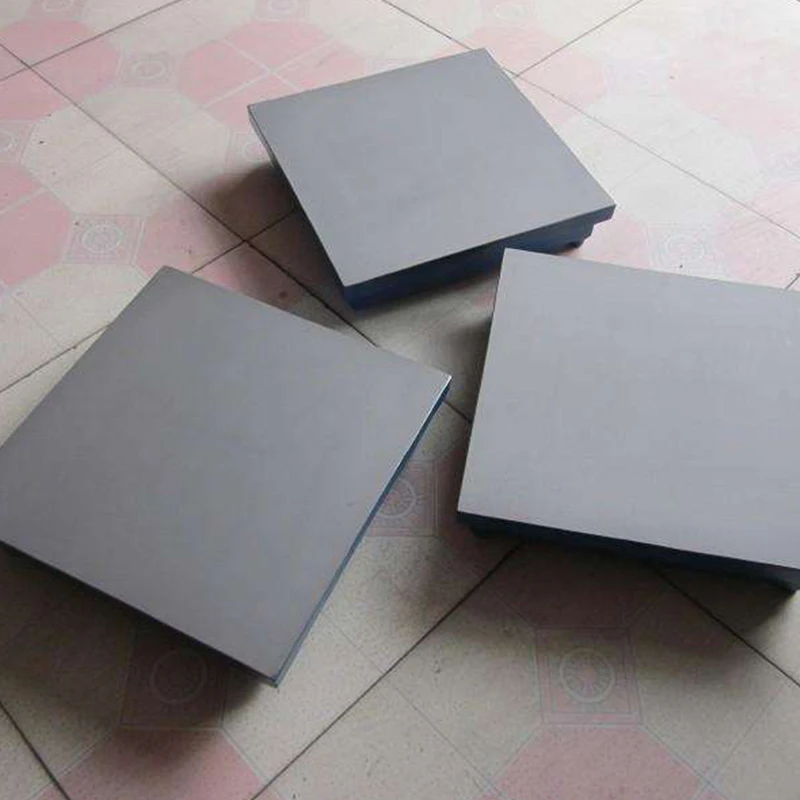
The Importance of Precision Cast Iron Surface Plates in Manufacturing Precision cast iron surface plates are critical tools in the manufacturing and engineering sectors, playing a pivotal role in quality control, machining, and assembly. These flat surfaces are meticulously engineered to provide a reliable reference for measuring other components, ensuring that the highest levels of accuracy and precision are maintained throughout the manufacturing process. Understanding Precision Cast Iron Cast iron is a group of iron-carbon alloys with a carbon content greater than 2%. It stands out for its excellent castability, wear resistance, and vibration-damping qualities. Precision cast iron specifically refers to those cast irons that are treated and processed to create exceptionally flat and uniform surfaces. Such surfaces are achieved through a combination of careful material selection and advanced manufacturing techniques, including grinding and lapping. One of the key attributes of precision cast iron is its outstanding dimensional stability. This means that once machined, cast iron retains its shape and flatness over time, even when subjected to changes in temperature and humidity. This characteristic is paramount in a myriad of applications where slight deviations can lead to significant quality issues. Applications of Precision Cast Iron Surface Plates Precision cast iron surface plates are widely used in various industries, including automotive, aerospace, and machinery manufacturing. They serve several essential functions 1. Measuring Reference These plates provide a known flat surface against which other components can be measured. Tools such as height gauges and dial indicators can be utilized on these plates to gauge the precision of parts, ensuring they are produced to exact specifications. 2. Assembly Aid Surface plates help in aligning components during assembly, ensuring that parts fit together accurately and operate as intended. This is especially important in complex assemblies where even minor misalignments can result in functional failures. precision cast iron surface plate 3. Quality Control Quality assurance teams rely on precision cast iron surface plates to check the tolerance levels of parts before they proceed down the production line . This is crucial in ensuring that only components that meet stringent quality guidelines are utilized in final products. 4. Tool Setups In the setup of machining tools, precision cast iron surface plates are invaluable. They enable machinists to securely place and align workpieces to achieve required machining operations with maximum accuracy. Advantages of Precision Cast Iron Surface Plates The advantages these plates offer are significant - Durability Cast iron is robust and can withstand heavy loads without deforming, providing long-term reliability. - Non-Warping Unlike other materials that may warp over time, well-maintained cast iron surfaces remain flat and accurate throughout their lifespan. - Vibration Damping Cast iron has excellent vibration-damping properties, which is essential for maintaining precision during measurements and machining operations. - Cost-Effectiveness While the initial investment may be substantial, the longevity and durability of these plates typically lead to lower replacement and maintenance costs over time. Maintenance and Care To ensure longevity and precision, proper maintenance of cast iron surface plates is crucial. Regular cleaning with appropriate solvents helps remove debris and contaminants that can affect accuracy. Additionally, these plates should be periodically checked for flatness and any signs of wear or damage. It is also essential to store them in a dry, controlled environment to prevent rust or corrosion. Conclusion Precision cast iron surface plates are indispensable in modern manufacturing and engineering practices. Their reliability, accuracy, and durability make them essential for measuring, aligning, and verifying the precision of various components. As industries continue to advance and demand ever-greater accuracy in their products, the role of precision cast iron surface plates will only become more vital. Investing in high-quality surface plates and maintaining them properly is crucial to achieving manufacturing excellence and client satisfaction.
about
led floor mirror
Go/No-Go Pin Gauge A Vital Tool for Quality Control In the world of manufacturing and quality control, precision is paramount. Engineers and quality assurance professionals are constantly in search of reliable methods to ensure that components meet their specified dimensions and tolerances. One of the most effective tools in this regard is the Go/No-Go pin gauge. This simple yet powerful instrument plays a crucial role in verifying the dimensional integrity of manufactured parts. Understanding Go/No-Go Pin Gauges A Go/No-Go pin gauge is a type of measuring tool used to determine if an object fits into a specified tolerance range. Essentially, it consists of two pins the Go pin and the No-Go pin. The Go pin measures the minimum acceptable dimension, while the No-Go pin measures the maximum allowable size. When a part is inserted into these pins, the outcome determines whether the part is acceptable or not. The fundamental principle behind the Go/No-Go gauge is to simplify the inspection process. Instead of relying on complex measuring instruments, operators can quickly and easily use these gauges to ensure that components meet critical specifications. This is especially important in industries such as aerospace, automotive, and electronics, where even the smallest deviation can result in significant failures. How It Works Using a Go/No-Go pin gauge is straightforward. The operator first inserts the Go pin into a hole or feature of the component being measured. If the pin fits easily and without force, the part passes the Go test, indicating that it meets the minimum requirement. Next, the operator checks the No-Go pin. If the No-Go pin fits into the same hole, the part fails the test, indicating it has exceeded the maximum allowable dimension. This binary method of measurement—pass or fail—makes Go/No-Go gauges extremely efficient. It eliminates the need for intricate calculations and reduces human error, allowing for a streamlined quality assurance process. go no go pin gauge Applications in Industry Go/No-Go pin gauges are widely used across various industries. In the automotive sector, they play a critical role in ensuring that engine parts, suspension systems, and safety features meet exacting standards. In aerospace, where safety is non-negotiable, these gauges help verify that components meet stringent regulatory requirements. Similarly, in the electronics industry, pin gauges ensure that connections and interfaces meet compatibility standards. Beyond these applications, Go/No-Go gauges are invaluable in any situation where dimensional conformity is critical. They are commonly used in machining, fabrication, and assembly processes, making them essential pieces of equipment for quality control departments. Advantages and Limitations One of the main advantages of Go/No-Go pin gauges is their simplicity. They are easy to use and require minimal training, allowing operators to quickly gain proficiency. They are also cost-effective compared to more sophisticated measuring devices. Additionally, the binary nature of the results allows manufacturers to implement quality checks swiftly without extensive data analysis. However, there are limitations to consider. Go/No-Go gauges do not provide specific measurements; they can only indicate whether parts fall within an acceptable range. Therefore, while they are excellent for basic quality checks, they may need to be used alongside more precise measuring tools for comprehensive inspection in critical applications. Conclusion In conclusion, Go/No-Go pin gauges are indispensable tools in the realm of manufacturing and quality control. They provide a practical solution for verifying dimensional accuracy, ensuring that components meet the required specifications. While they have limitations in terms of measurement precision, their ease of use and efficiency make them a staple in various industries. As manufacturing processes continue to evolve, the importance of reliable quality assurance tools like Go/No-Go pin gauges cannot be overstated. Maintaining high standards of quality not only reduces waste and rework but also ensures the safety and reliability of end products, ultimately benefiting both manufacturers and consumers alike.
-

High quality industrial productsagement

High quality industrial products
View Details -

Meet the diverse needs of customers

Meet the diverse needs of customers
View Details -

Strict quality control

Strict quality control
View Details -

Top raw materials

Top raw materials
View Details -

Trusted supplier

Trusted supplier
View Details
Our application

news and information
Versatile Workbench for Efficient Welding and Metalworking Projects
The Importance of Welding Tables in Metalworking Welding is a critical process in various industries
Válvula de puerta de 3 cuchillos
La válvula de compuerta de cuchilla al 3% es un componente esencial en muchos sistemas industriales
Versatile Thread Gauge for Precision Measurement and Adjustability in Mechanical Applications
Understanding Adjustable Thread Gauges A Tool for Precision Measurement In the world of engineering
 English